Vaccines
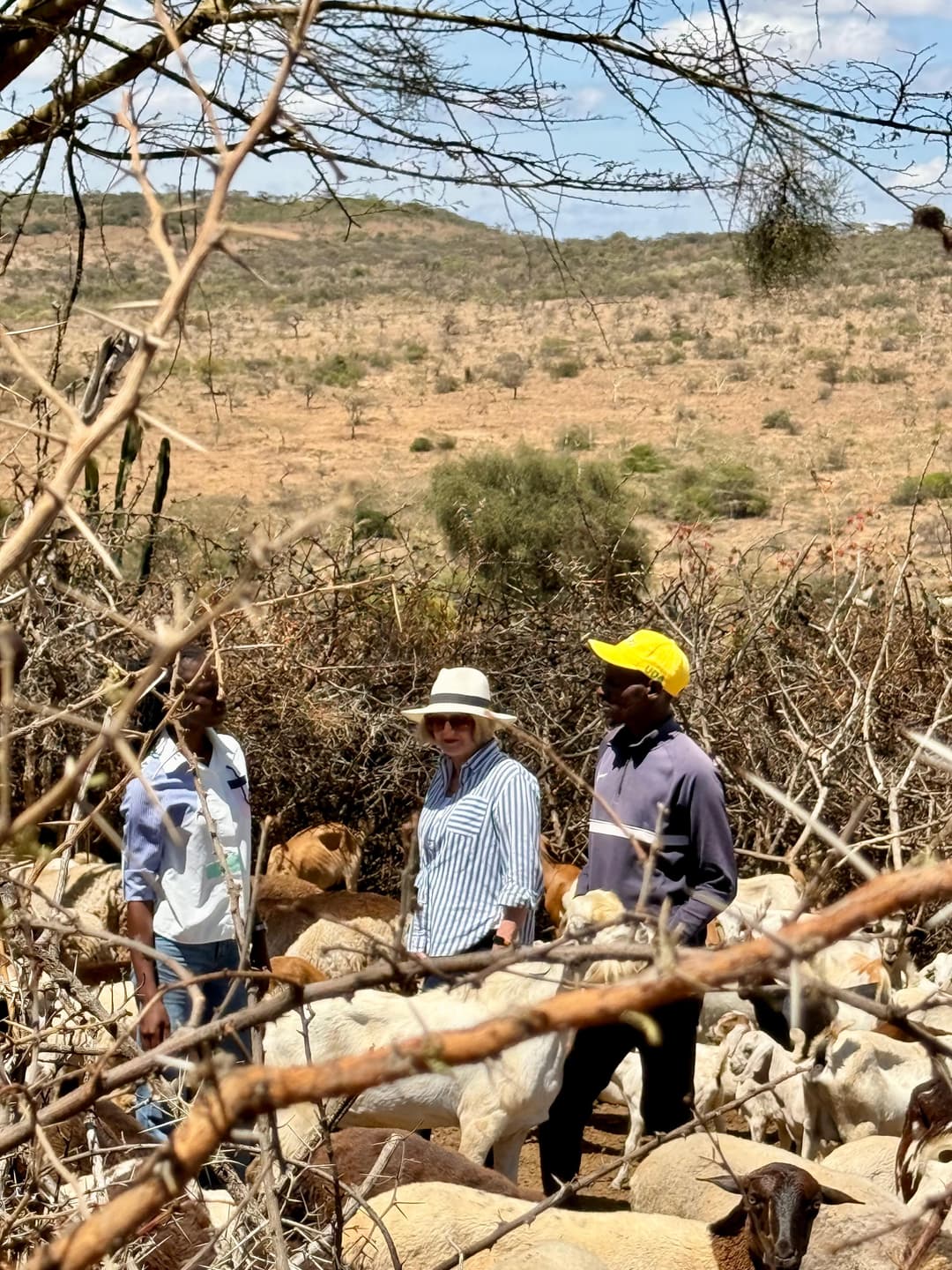
Farmers in urban and peri-urban areas are increasingly benefiting from improved diagnostic accuracy, faster results, and language translation that enables better treatment decisions. Yet across the drylands, pastoralists still struggle to access something as basic and essential as vaccines for their livestock.
Goats are among the hardiest livestock and, for many pastoralist families, serve as a critical economic safety net. Yet they remain highly vulnerable to diseases such as Peste des Petits Ruminants (PPR). In fully susceptible populations, PPR can cause mortality of up to 90%, with morbidity approaching 100%. Even in endemic areas where mortality may be lower, the disease can severely undermine flock productivity and household livelihoods.
Vaccination is therefore not just an animal-health intervention; it is a livelihood protection tool.
But getting vaccines to the last mile presents another challenge. Vaccines require a reliable cold chain maintained at 2-8°C, often for extended periods. Traditional cool boxes struggle in the high temperatures of remote communities, particularly when they are repeatedly opened and closed as teams move from farm to farm or market to market.
The answer is mobile refrigeration.
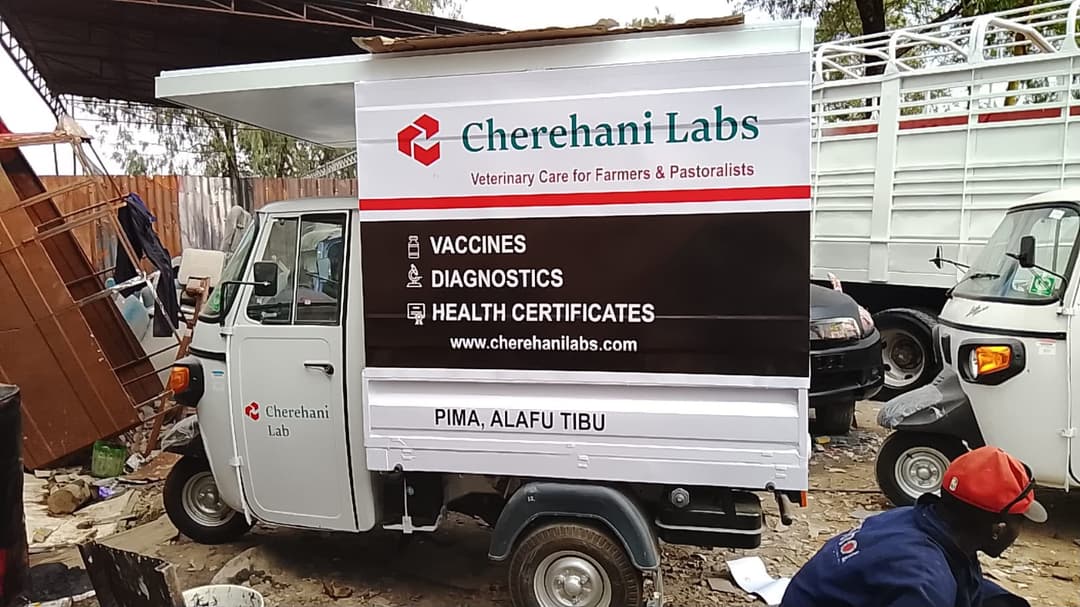
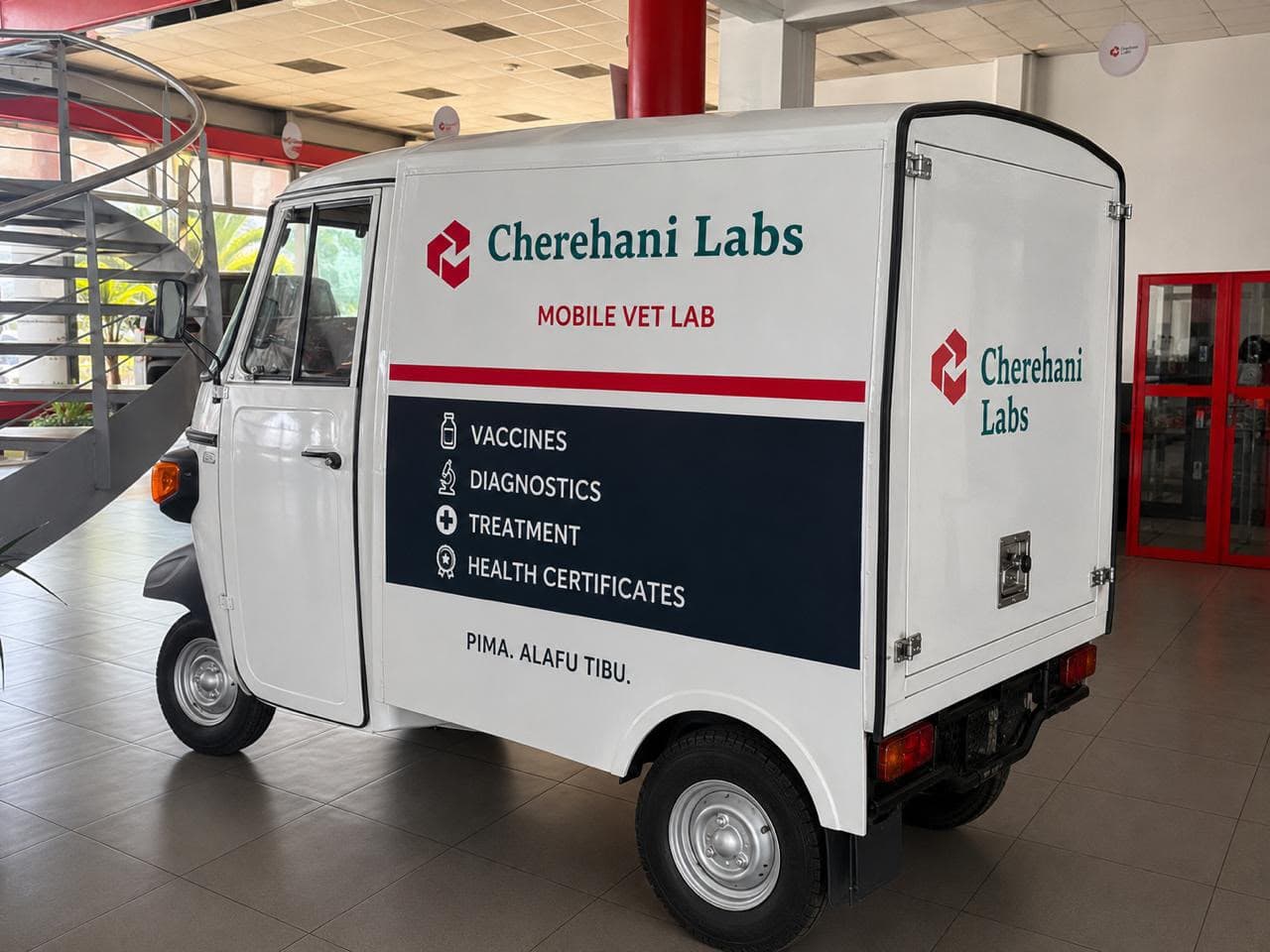
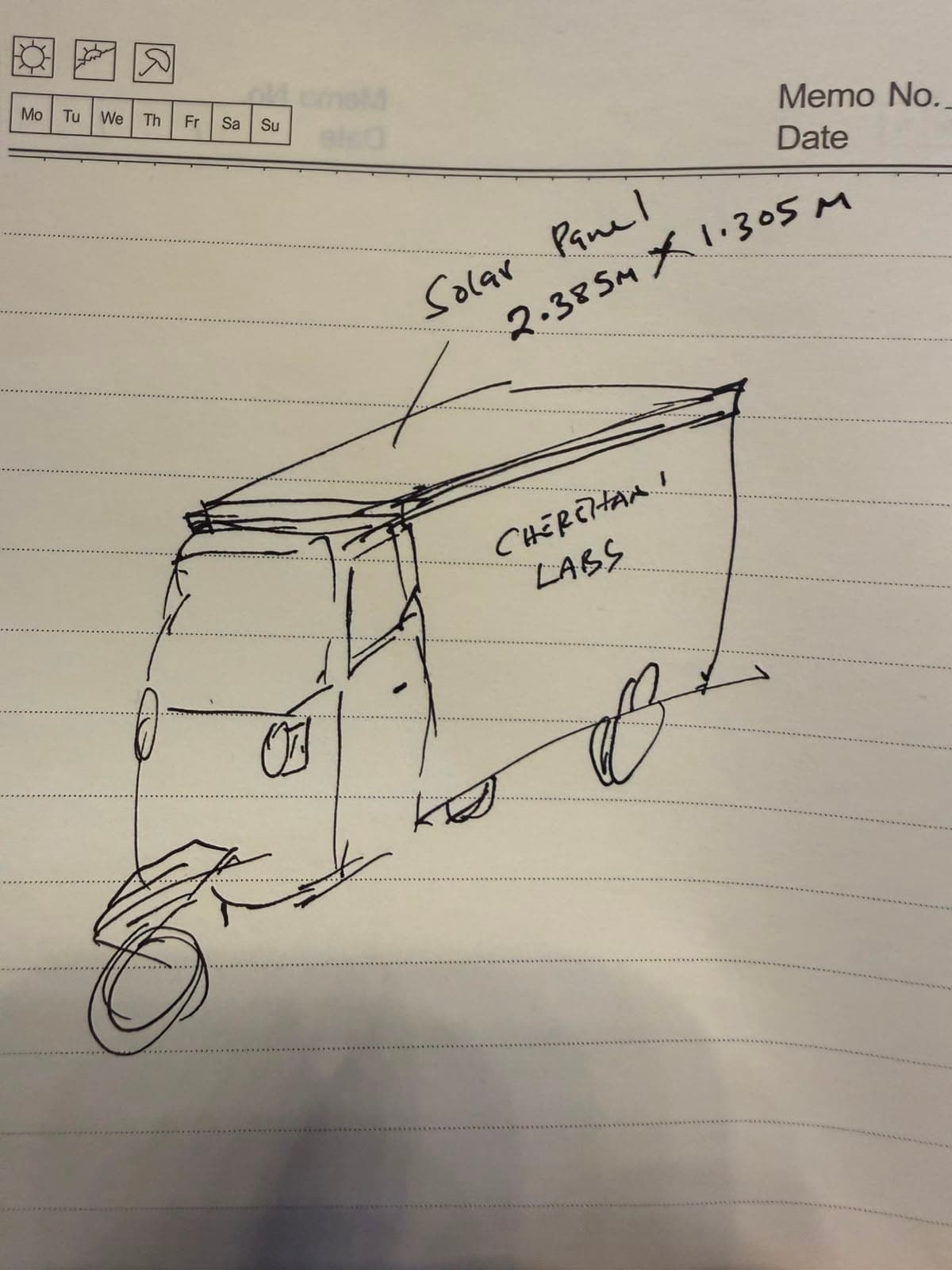
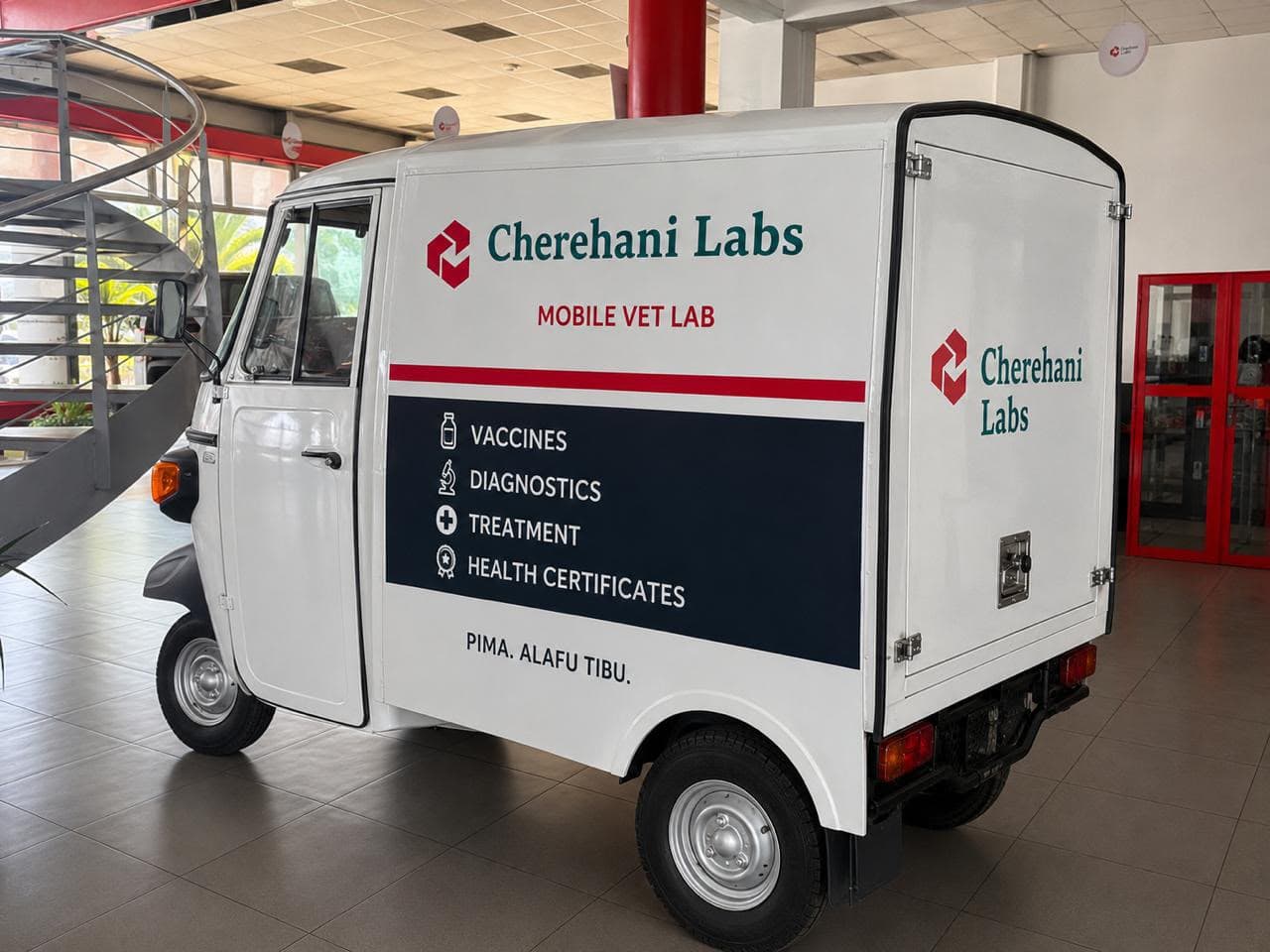
We developed solar-powered tricycles that create a network of mobile cold-chain units, taking vaccines directly to the most remote pastoralist communities. They don't need to travel to our satellite veterinary labs housed in repurposed shipping containers. We go to them.
Our pilot over the past few months has been incredibly promising, demonstrating what is possible when technology, renewable energy, and a deep understanding of rural communities come together to tackle one of the most persistent gaps in livestock health.
The race is no longer just to develop better technology. It is to make sure that technology reaches the last mile.
Keep Reading